



Do Coffee Pods Release Microplastics? What the Research Actually Says

The peer-reviewed evidence, method by method, without the panic
Single-serve coffee is convenient, and convenience won: pods and steeped single-serve formats are now a default morning ritual for millions of people. But a growing body of peer-reviewed research has been asking a fair question about any brewing method that pushes near-boiling water through, or steeps it in, a polymer. This guide summarizes what the studies actually found, method by method, without hype in either direction.
The short answer
Yes, laboratory studies have measured microplastic particles in coffee brewed through plastic pods, plastic-mesh steeped bags, and plastic drip bags, with the particles matching the polymer of the brewing format itself. Heat is the multiplier: polypropylene, the #5 plastic used in most K-cup style pods, has been shown to shed dramatically more particles as water approaches brewing temperature. The health implications are still unsettled science. If you want to minimize exposure anyway, the fix is simple and old-fashioned: whole-bean coffee, a burr grinder, and a paper or metal filter, so hot water only ever touches paper, metal, glass, or ceramic.
What the studies measured, method by method
| Brewing format | What hot water touches | What research found | Plastic contact |
|---|---|---|---|
| K-cup style pods | Polypropylene (#5) cup, brewed through under pressure at ~90°C+ | A 2025 study of 155 UK beverages found hot coffee averaged ~43 microplastic particles per liter, including capsule-machine coffee, with particles matching the pod polymer (Al-Mansoori et al., Science of the Total Environment). Polypropylene's heat response is documented separately: particle release from PP containers rose from 0.6 million to 55 million particles per liter as water went from 25°C to 95°C (Li et al., Nature Food) | High |
| Plastic-mesh steeped bags (nylon/PET "silken" pyramid bags) | Polymer mesh steeped directly in ~95°C water | The McGill study reported billions of micro- and nanoparticles released per cup from plastic teabags at 95°C (Hernandez et al., Environmental Science & Technology). Exact counts were debated in follow-up commentary, but particle release itself was confirmed; 2024 work found teabag-derived particles from multiple polymers, including polypropylene, and showed uptake by human intestinal cells in vitro (Banaei et al., Chemosphere) | High |
| "Plant-based" bioplastic mesh (PLA and similar, often marketed "plastic-free") | Plant-derived polymer mesh steeped in hot water | Bioplastics are still polymers. They are typically compostable only in industrial facilities, and bioplastic-family bags also shed particles in hot water in recent teabag studies. Plant-derived does not mean particle-free | Moderate |
| Single-use drip/pour-over bags | PE/PP/PET or rayon bag hung over the cup | A 2023 study found that pouring hot water through drip bags releases thousands of microplastics into the cup (PMID 36848832) | Moderate |
| Hot coffee in to-go cups | Plastic-lined paperboard + PS/PP lid | The same 2025 UK survey measured elevated microplastic levels in hot to-go coffee versus glass-served controls | Moderate |
| Paper-filter drip or pour-over | Paper filter; dripper of ceramic, glass, or metal (manual), or a machine with plastic internals | Standard paper filters are cellulose and have not been flagged as a meaningful particle source in the published studies. A manual pour-over with a ceramic, glass, or metal dripper leaves no polymer in the hot-water path at all. Automatic drip machines are the variable: internal tubing, baskets, and showerheads are often plastic, and plastic dripper cones exist, so the material you brew through decides which end of this range you are on | Minimal (manual, ceramic/glass/metal) to Low (machine) |
| French press / metal-filter brewing | Glass or stainless carafe, stainless mesh | No polymer in the hot-water path when the carafe is glass or steel | Minimal |
Two patterns run through every study. First, the particles found in the cup consistently match the polymer of the brewing format, which is how researchers know they came from the pod, bag, or lining rather than background contamination. Second, temperature is the lever: the hotter the water, the more particles shed. Coffee is brewed at 90–96°C, which is the high end of every release curve measured.
One nuance worth stating plainly: "BPA-free" labels on pods address one specific chemical additive. They say nothing about particle shedding, which is a mechanical property of plastic meeting hot water.
Does this actually harm you? Honest answer: science is still working on it
Microplastics have now been detected in human blood, placenta, and arterial plaque. A 2024 study in the New England Journal of Medicine followed patients who had plaque removed from their carotid arteries: those whose plaque contained detectable micro- and nanoplastics had a higher rate of heart attack, stroke, or death over the following three years (Marfella et al.). That is an association in a specific population, not proof that microplastics caused the outcomes, and no regulator has established a safe or unsafe exposure threshold. The WHO's assessment of microplastics in drinking water concluded the evidence of harm at current levels is limited, while calling for better data.
So we will not tell you your pod machine is hurting you. Nobody can honestly tell you that today. What the research does support is narrower: plastic-contact brewing adds a measurable, avoidable microplastic dose to a beverage many of us drink every single day, and the alternatives cost nothing in quality. When an exposure is daily, chronic, and easy to remove, reducing it is a reasonable precaution rather than a panic response.
The low-plastic brewing hierarchy
If you want the practical takeaway, here it is, ranked from most to least plastic contact:
- Replace pods and plastic-mesh bags first. They are the only formats where near-boiling water is forced through or steeped in polymer by design.
- Brew with paper or metal. A ceramic or glass pour-over with paper filters, or a glass-and-steel French press, gives hot water a polymer-free path. Our pour-over guide covers technique.
- Mind the kettle and server. Polypropylene kettles follow the same heat-release curve as any PP container. Glass or stainless kettles avoid it.
- Grind whole beans. Whole-bean coffee in a bag never meets hot water in its packaging at all. A burr grinder also improves the cup; our grinding guide explains why.
- Cold brew counts too. Particle release scales with temperature, so room-temperature and cold brewing in glass is the gentlest path of all.
Where purity actually starts
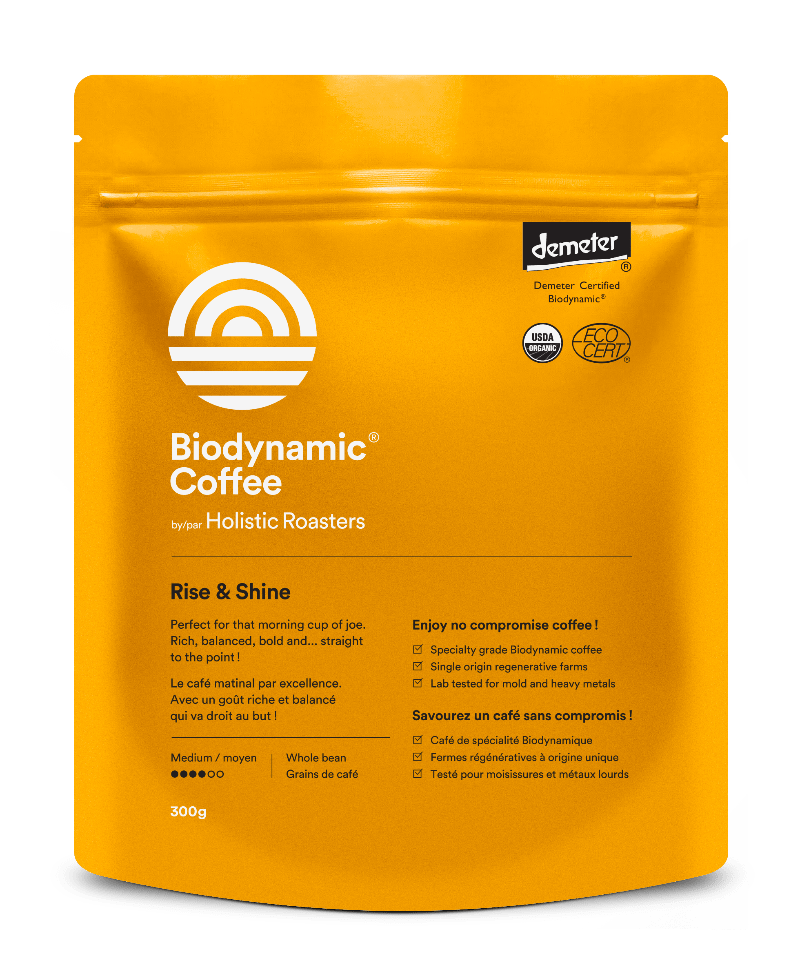
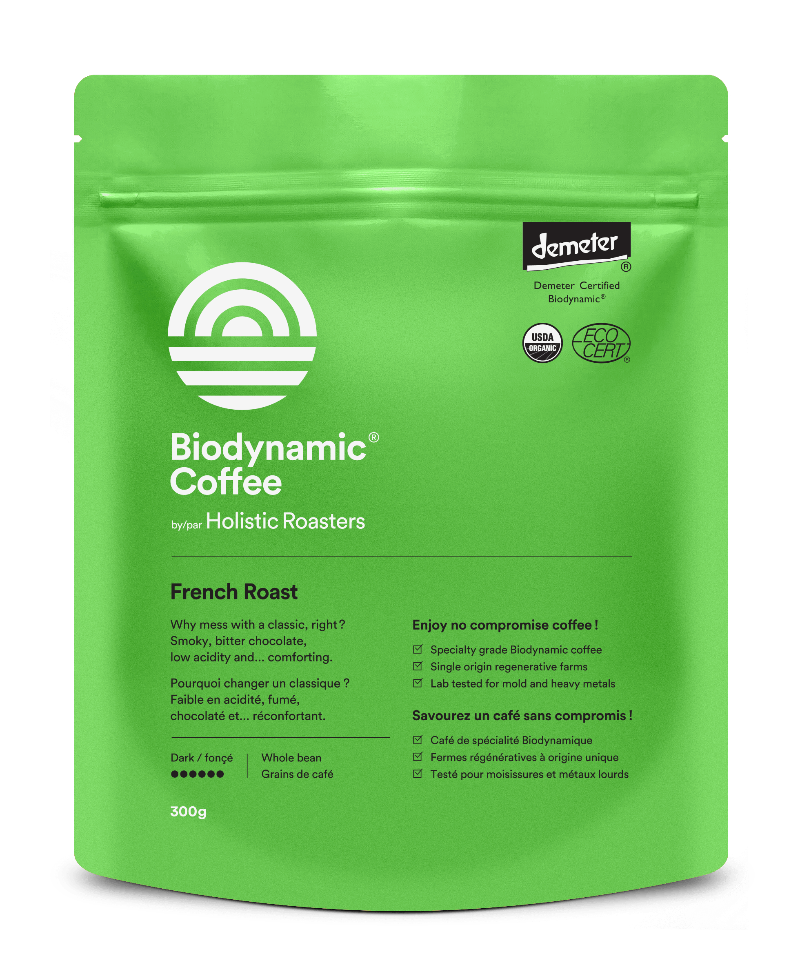
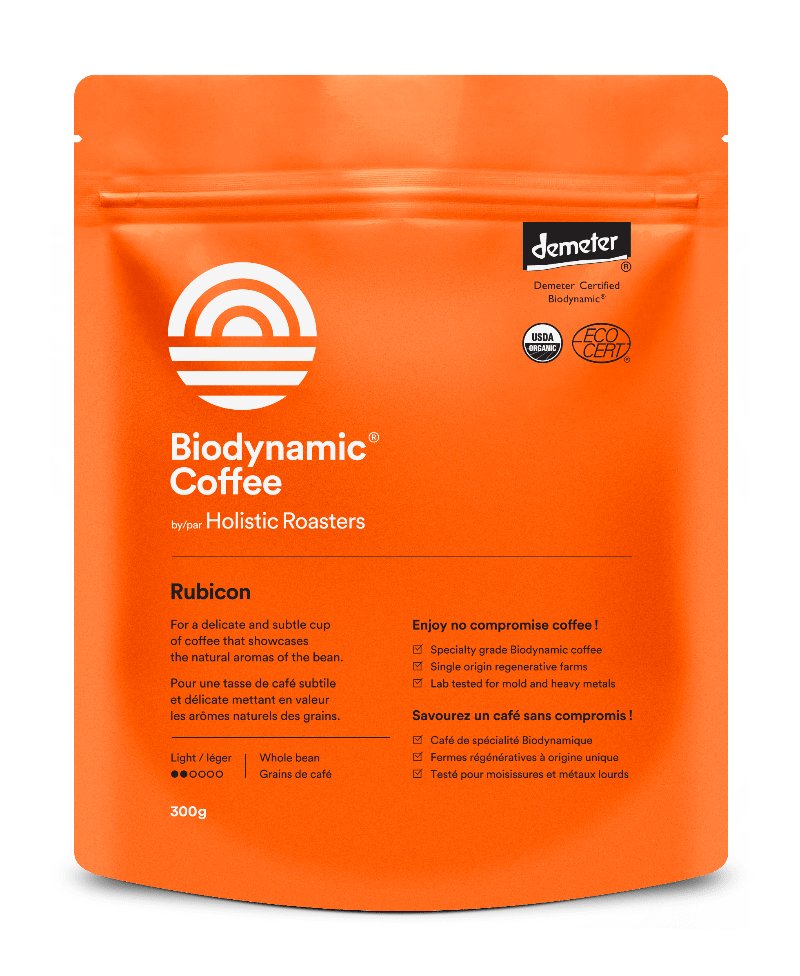
Brew path is the second half of a clean cup. The first half is what is in the coffee itself before water ever touches it. That part you cannot fix with a metal filter, which is why we publish third-party lab results for every harvest: a 16-compound mycotoxin panel, heavy metals by ICP-MS, and microbiological testing, downloadable on our lab results page. Verify the coffee, then choose what it touches on the way to your cup. Both halves are in your control.
Frequently asked questions
Laboratory studies have measured microplastics in coffee brewed through plastic capsules, with particles matching the pod's polymer. A 2025 survey of 155 UK beverages found hot coffee, including capsule-machine coffee, averaged about 43 microplastic particles per liter. Polypropylene, the #5 plastic in most K-cup style pods, sheds sharply more particles as water temperature approaches brewing temperature.
No. BPA-free means the plastic was made without one specific chemical additive, bisphenol A. Microplastic shedding is a physical process of polymer surfaces in hot water, and it happens with BPA-free plastics too. The two claims are unrelated.
Materially, no. PLA and similar plant-derived meshes are bioplastics: polymers made from corn or sugarcane rather than petroleum. They are typically compostable only in industrial facilities, and recent teabag studies found that bioplastic-family bags also shed particles in hot water. Plant-derived is a sourcing claim, not a particle-free guarantee.
Whole-bean coffee ground fresh, brewed with a paper filter in a ceramic or glass pour-over, or in a glass-and-steel French press, with water heated in a glass or stainless kettle. In that path, hot water touches only paper, metal, glass, or ceramic. Cold brew in glass is gentler still, since particle release scales with temperature.
Standard paper filters are cellulose and are not a meaningful microplastic source in the published studies. Some single-serve drip bags look like paper but are partly PE, PP, PET, or rayon, and a 2023 study found those release thousands of particles per cup. If it is a flat or basket paper filter, you are fine; if it is a woven single-serve bag, check the material.
No. Microplastics have been found in human blood, placenta, and arterial plaque, and a 2024 New England Journal of Medicine study found patients with microplastics in carotid plaque had more cardiovascular events. That is an association, not proven causation, and no safe or unsafe threshold has been established. Reducing plastic-contact brewing is a low-cost precaution, not a medical treatment.
Start with verified-clean coffee
Lab-tested for 16 mycotoxin compounds, heavy metals, and microbiology on every harvest. How you brew it is up to you; we would suggest glass, steel, and paper.
Shop Biodynamic Coffee View Lab ResultsReferences
- Al-Mansoori M, Harrad S, Abdallah MA-E. Synthetic microplastics in hot and cold beverages from the UK market: comprehensive assessment of human exposure via total beverage intake. Science of the Total Environment. 2025;996:180188.
- Li D, et al. Microplastic release from the degradation of polypropylene feeding bottles during infant formula preparation. Nature Food. 2020;1:746-754.
- Hernandez LM, Xu EG, Larsson HCE, Tahara R, Maisuria VB, Tufenkji N. Plastic teabags release billions of microparticles and nanoparticles into tea. Environmental Science & Technology. 2019;53:12300-12310. (Particle-count estimates were debated in subsequent published commentary; particle release was not in dispute.)
- Banaei G, et al. Teabag-derived micro/nanoplastics (true-to-life MNPLs) as a surrogate for real-life exposure scenarios. Chemosphere. 2024.
- Pouring hot water through drip bags releases thousands of microplastics into coffee. PubMed PMID 36848832 (2023).
- Marfella R, et al. Microplastics and nanoplastics in atheromas and cardiovascular events. New England Journal of Medicine. 2024;390:900-910.
- World Health Organization. Microplastics in drinking-water. Geneva: WHO; 2019.