



Coffee, Bile and Mycotoxins: What the Science Says About Coffee and Detox


Coffee makes the gallbladder contract and release bile, and people who drink it regularly have fewer gallstones. Some practitioners, including mold-illness specialist Dr. Jill Crista, see that bile flow as one way the body clears mold toxins. The evidence for that last step is thinner, but the practical point holds either way: if coffee is part of your daily routine, it makes sense for the coffee itself to be tested. At Holistic Roasters, every harvest is third-party tested for 16 mycotoxin compounds by Activation Laboratories (Actlabs) Agriculture Division via Eurofins Essais Alimentaires, and recent harvests also for ergot alkaloids.
The Connection Between Coffee, Bile, and Detoxification
Understanding Bile's Role in Detoxification
Your liver produces bile to help digest fats, and bile is also one route the body uses to excrete some fat-soluble compounds. Bile acts as a natural detergent in your body, helping to break down and eliminate harmful substances that could otherwise build up and cause health issues.
How much this matters for mycotoxins from food isn't well established. Ochratoxin A, the mycotoxin most often found in coffee, stays in human blood for about a month and is cleared mainly through the kidneys.
How Coffee Affects Bile Flow
Coffee is a strong bitter, and Dr. Jill Crista writes that bitters such as coffee induce bile flow. Research supports the first step: coffee triggers the release of cholecystokinin (CCK), a hormone that makes the gallbladder contract. In a large study of US men, those who drank 2 to 3 cups of caffeinated coffee a day had a 40% lower risk of symptomatic gallstones than men who didn't drink it; decaf showed no such link.
Whether that extra bile flow helps clear more toxins has not been measured in people.
The Problem with Contaminated Coffee
Many conventional coffees are contaminated with mycotoxins, which can add to your body's toxic burden rather than relieve it. These toxins, produced by mold during growing, processing, or storage, are a recognized long-term health concern: ochratoxin A is toxic to the kidneys in animal studies, and aflatoxin B1 is a known liver carcinogen.
Roasting lowers mycotoxin levels, by roughly 60% in one study, but doesn't remove them, so what's in the green coffee still matters. That is why testing is worth doing.
Why Mycotoxin Testing Matters
Mycotoxins are toxic substances produced by mold. Low levels are common in coffee worldwide, which is why the EU sets a legal maximum for ochratoxin A in roasted coffee. Choosing coffee that is lab-tested every harvest, with the results published, lets you see what's actually in your cup.
Lab-Tested for Mycotoxins
What we actually test for: Every Holistic Roasters harvest is screened for 16 mycotoxin compounds (4 aflatoxins, Ochratoxin A, DON + 2 acetyl metabolites, 2 fumonisins, T-2, HT-2, Zearalenone, Diacetoxyscirpenol, Sterigmatocystin, Mycophenolic Acid).
For a head-to-head comparison of Holistic Roasters' panel versus 8 other lab-tested coffee brands, see Best Mold-Free Coffee Brands of 2026: What Lab Testing Actually Reveals.
Grown Using Regenerative Practices
Biodynamic farming enhances soil health, biodiversity, and nutrient density, resulting in a cleaner, more vibrant cup of coffee. Mold risk in coffee depends mostly on harvesting, drying and storage, which is why we also test.
Certified Organic & Biodynamic
No synthetic pesticides, herbicides or fungicides are permitted on Demeter Biodynamic farms, and organic certification is a prerequisite.
Benefits of Biodynamic Farming Practices
Soil Health
Biodynamic farming promotes rich, living soil through composting, cover crops, and avoiding synthetic chemicals. This creates the perfect environment for coffee plants to thrive naturally.
Biodiversity
Our coffee grows in harmony with other plants and wildlife, creating resilient ecosystems that support natural pest control and pollination without chemical interventions.
Nutrient Density
Healthy, balanced soil may support higher levels of beneficial compounds in crops, though this hasn't been measured in coffee.
Careful Processing
Most mold growth in coffee happens after harvest, during drying and storage. Careful processing, not the farming method alone, is what keeps mycotoxin levels down.
Environmental Impact
Biodynamic farms actually improve their surroundings over time, preventing soil erosion, and protecting local water sources for generations to come.
Flavor Profile
The result of all these practices is coffee with exceptional clarity, complexity, and depth of flavor that truly reflects its origin and growing conditions.
Practical Tips
If you drink coffee every day, these are sensible steps:
-
Choose Lab-Tested Coffee
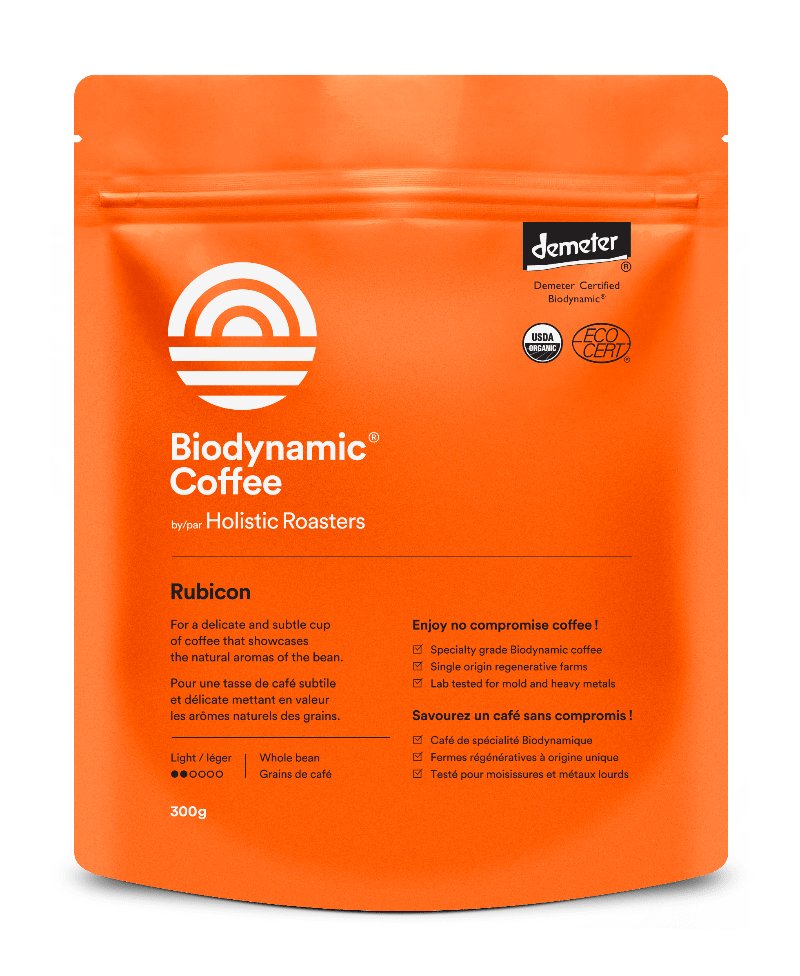
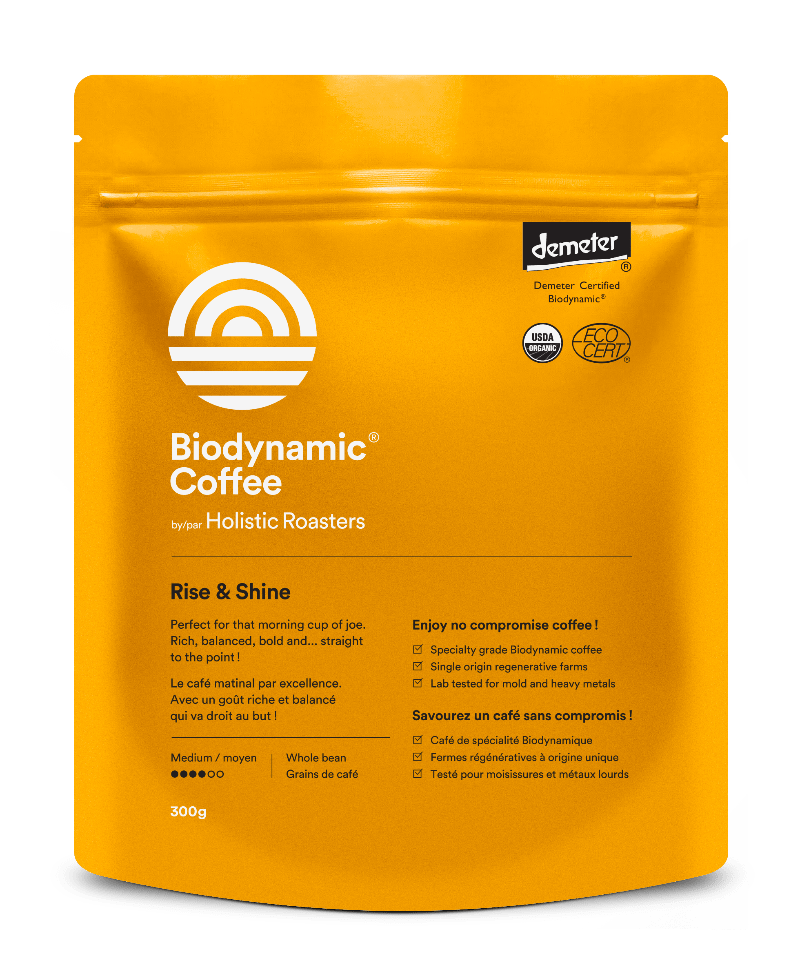
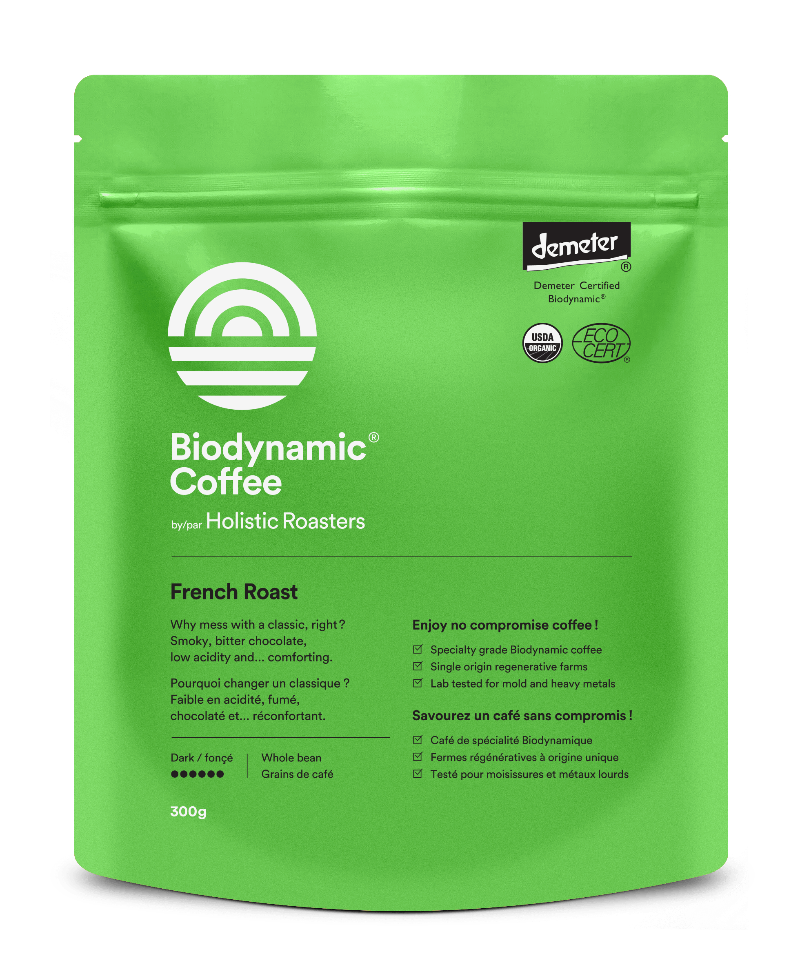
Opt for lab-tested, high-quality coffee like our Biodynamic Coffees as well as Melk's 18 Conejo and Bon Décaf.
-
Pair Coffee with Fiber
Fiber binds bile in the gut and helps carry it out of the body. Consider enjoying your coffee with a high-fiber breakfast, which also supports healthy digestion.
-
Stay Hydrated
Moderate coffee intake doesn't dehydrate you, but water supports your health in general, so keep drinking it through the day.
-
Avoid Sugar & Artificial Additives
Added sugar brings extra calories and, in excess, can contribute to inflammation. Try enjoying your coffee black or with natural additions like cinnamon or a small amount of organic cream.
Holistic Roasters' Commitment to Your Health
At Holistic Roasters, our mission is to provide clean, sustainably grown coffee and to show our work: every harvest is tested and every result is published.
Shop Biodynamic CoffeeThe Bottom Line
Coffee reliably stimulates the gallbladder and is linked to fewer gallstones. Whether that helps the body clear mold toxins is plausible but unproven. Either way, if you drink coffee every day, choosing one that is tested every harvest, with the results published, is a sensible step.
By choosing Holistic Roasters' lab-tested Biodynamic Coffee, you get exceptional flavor and published results you can check.
This article is for educational purposes only and is not medical advice. It is not intended to diagnose, treat, cure, or prevent any disease, including mold illness. Talk with a qualified healthcare provider about mold exposure or detoxification, especially if you are pregnant, take medication, or have a liver, kidney or gallbladder condition.
References
- Crista, J. "Coffee Craving Might be a Sign that You Have A Mycotoxin Problem." Dr. Crista blog. drcrista.com
- Boekema, P.J., Samsom, M., van Berge Henegouwen, G.P., & Smout, A.J. (1999). "Coffee and gastrointestinal function: facts and fiction. A review." Scandinavian Journal of Gastroenterology Supplement, 230, 35–39. https://doi.org/10.1080/003655299750025525
- Leitzmann, M.F., Willett, W.C., Rimm, E.B., Stampfer, M.J., Spiegelman, D., Colditz, G.A., et al. (1999). "A prospective study of coffee consumption and the risk of symptomatic gallstone disease in men." JAMA, 281(22), 2106–2112. https://doi.org/10.1001/jama.281.22.2106
- Studer-Rohr, I., Schlatter, J., & Dietrich, D.R. (2000). "Kinetic parameters and intraindividual fluctuations of ochratoxin A plasma levels in humans." Archives of Toxicology, 74(9), 499–510. https://doi.org/10.1007/s002040000157
- Al Attiya, W., Hassan, Z.U., Al-Thani, R., & Jaoua, S. (2021). "Prevalence of toxigenic fungi and mycotoxins in Arabic coffee (Coffea arabica): Protective role of traditional coffee roasting, brewing and bacterial volatiles." PLoS One, 16(10), e0259302. https://doi.org/10.1371/journal.pone.0259302
Gregory co-founded Holistic Roasters with a mission to provide the cleanest, most health-supportive coffee possible. His commitment to transparency, rigorous testing, and regenerative farming stems from a belief that what we consume daily should enhance our wellbeing, not compromise it.