


Black Coffee for Weight Loss: Does It Actually Work?

The Quick Scoop
Black coffee won't melt fat on its own — but as a near-zero-calorie drink, its caffeine can give your weight-loss efforts a measurable nudge. Controlled studies show caffeine raises resting metabolic rate by roughly 3–11% for a few hours,1 increases fat burning when taken before exercise,3 and modestly improves endurance performance.2 The effects are real but modest, and they only translate into weight loss inside an overall calorie deficit. Here's what the evidence actually says — benefits and limits.
If you're trying to lose a few pounds, black coffee is one of the few "free" tools available: it has almost no calories, and the caffeine in it has genuine, measurable metabolic effects. It is not a fat burner in a cup, and no credible research suggests coffee alone produces meaningful weight loss. Used realistically — as a low-calorie drink and a mild metabolic and exercise aid within a balanced diet — it can support the process. Let's look at the mechanisms, the numbers, and the honest limits.

Black Coffee's Weight Loss Benefits
1) A Short-Term Metabolism Boost
Caffeine is a stimulant that temporarily raises your resting metabolic rate. In a controlled study by Dulloo and colleagues, a single 100 mg dose of caffeine (roughly one strong cup) increased resting metabolic rate by about 3–4% over 150 minutes, and repeated doses through the day raised total energy expenditure by 8–11%.1 A separate randomized trial found 200 mg of caffeine raised metabolic rate by about 7% over three hours.4
Mechanistically, caffeine stimulates the central nervous system and increases circulating epinephrine (adrenaline), which signals fat cells to release fatty acids for use as fuel.1 The effect is real but temporary — it lasts a few hours and partly diminishes as regular coffee drinkers develop tolerance.5
2) Better Workout Performance and Fat Use
Caffeine is one of the most well-evidenced legal performance aids. A 2018 systematic review and meta-analysis of 46 trials found that moderate caffeine doses (3–6 mg/kg) improved endurance time-trial performance by about 2–3% on average versus placebo.2 That is a small but consistent edge — not the double-digit jump sometimes claimed online.
For body composition, the more relevant finding is fat oxidation: a 2020 meta-analysis of 19 trials found that caffeine taken before exercise significantly increased the rate of fat burning during aerobic exercise, with the largest effect in untrained individuals and at doses above 3 mg/kg.3 Drinking black coffee roughly 30–60 minutes before a workout is a practical way to apply this.
3) A Modest, Inconsistent Appetite Effect
Black coffee is often called an appetite suppressant. The evidence here is the weakest of the four: some studies suggest caffeine can slightly reduce short-term hunger and energy intake, but findings are inconsistent and the effect is small and not reliable across people.6 Treat reduced appetite as a possible bonus, not a dependable mechanism.
What is dependable: a hot, flavorful, zero-calorie drink can occupy the "I want something" urge between meals without adding calories — a behavioral benefit that doesn't depend on any hormonal effect.
4) Almost Zero Calories — The Biggest Practical Lever
This is the most reliable weight-loss benefit and it has nothing to do with metabolism: plain black coffee has about 2 calories per cup. Swapping calorie-dense coffee drinks for black coffee can remove hundreds of calories per day — far more than caffeine's metabolic effect ever will.
| Beverage (8 oz) | Approx. Calories | Daily-Habit Impact (1/day) |
|---|---|---|
| Black Coffee | ~2 | Negligible — supports a calorie deficit |
| Latte with Whole Milk | ~120 | ~840 calories/week |
| Mocha with Whipped Cream | ~230 | ~1,610 calories/week |
| Soda | ~100 | ~700 calories/week |
| Fruit Juice | ~120 | ~840 calories/week |
Calorie values are typical averages and vary by brand and preparation.
Additional Health Benefits
Rich in Antioxidants
Black coffee is a major dietary source of antioxidants, including chlorogenic acids and other polyphenols. For most people in Western diets, coffee is among the largest single sources of antioxidants — though that reflects how little fruit and vegetables many people eat as much as how rich coffee is.7
Improves Alertness and Focus
Caffeine reliably increases alertness, reaction time, and perceived energy — which can make it easier to stay consistent with training and food choices when motivation dips.5
Associated With Long-Term Health
A large 2017 umbrella review in The BMJ found moderate coffee intake (about 3–4 cups/day) was associated with lower all-cause and cardiovascular mortality and lower risk of several chronic diseases — an association, not proof of cause.8
Timeline: How Coffee Works Through Your Day
Morning (6–8am)
Caffeine begins working within ~15–45 minutes. Resting metabolic rate rises by roughly 3–11% for the next few hours.1
Pre-Workout (30–60 min before)
Caffeine nears peak blood concentration. Taken before fasted or low-intensity aerobic exercise, it measurably increases the rate of fat oxidation.3
Mid-Morning (10–11am)
Alertness and focus peak. Any appetite-blunting effect, where it occurs, is modest and short-lived.6
Afternoon (2–3pm)
A second cup can counter the post-lunch dip. Keep total caffeine under ~400 mg/day and avoid late-day caffeine, which can impair the sleep that supports weight regulation.9
The Honest Limits: What Black Coffee Can't Do
Read this before you rely on coffee
- It will not cause weight loss on its own. Caffeine's metabolic boost burns on the order of tens of calories — helpful at the margins, but trivial next to diet and overall activity. Weight loss still requires a sustained calorie deficit.1
- The metabolic effect shrinks with habit. Regular caffeine users develop partial tolerance to its thermogenic and fat-oxidation effects, so daily coffee drinkers see less of a boost than occasional users.5
- What you add erases the benefit. Sugar, syrups, cream, and whole milk can turn a 2-calorie drink into a 200+ calorie one — outweighing any metabolic gain. The "black" in black coffee is doing most of the work.
- More is not better. Above ~400 mg caffeine/day (about 4–5 cups) most adults risk anxiety, elevated heart rate, and disrupted sleep — and poor sleep is itself linked to weight gain.9
- It isn't for everyone. People who are pregnant or breastfeeding, sensitive to caffeine, or managing anxiety, reflux, or certain heart conditions should limit or avoid it and consult a clinician. The BMJ review flagged caution in pregnancy specifically.8
Myth Check: Does Coffee's Cortisol Spike Cause Belly Fat?
A popular claim says coffee raises the stress hormone cortisol, and that this drives belly-fat storage. It is worth addressing directly, because it scares people away from an otherwise useful tool.
The first half is partly true: a dose of caffeine does acutely raise cortisol. But in a controlled crossover trial, that response largely disappeared in people who consumed caffeine daily — the morning cortisol bump was abolished after just five days of regular intake, returning only partially to later doses.10 Habitual coffee drinkers develop tolerance to the cortisol effect.
The second half — that coffee therefore makes you gain abdominal fat — is not supported. Large-scale evidence links moderate coffee intake to neutral-to-favorable metabolic outcomes, not weight gain.8 The sensible rules still apply: keep the dose moderate, do not drink it late, and do not drown it in sugar and cream.
How to Use Black Coffee for Weight Loss
| Strategy | How to apply it | Why it works |
|---|---|---|
| Drink it black | No sugar, syrup, cream, or whole milk | Preserves the near-zero calorie count — the biggest lever1 |
| Use it as a swap | Replace sodas, juices, and sugary coffee drinks | Removes hundreds of calories/day with no effort |
| Time it pre-workout | One cup ~30–60 min before aerobic exercise | Increases fat oxidation during the session3 |
| Cap the dose | Stay under ~400 mg caffeine/day; none late in the day | Avoids side effects and protects sleep9 |
| Pair with the basics | Use alongside a calorie deficit and regular movement | Coffee is a small multiplier, not the engine |
The Biodynamic Coffee Difference
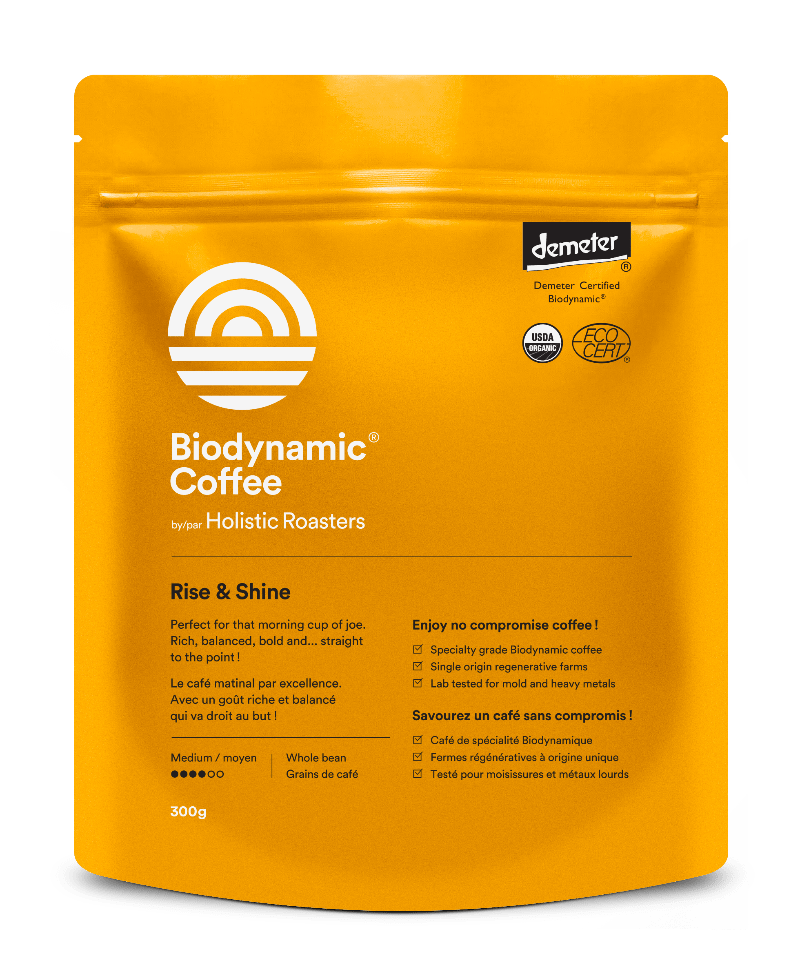
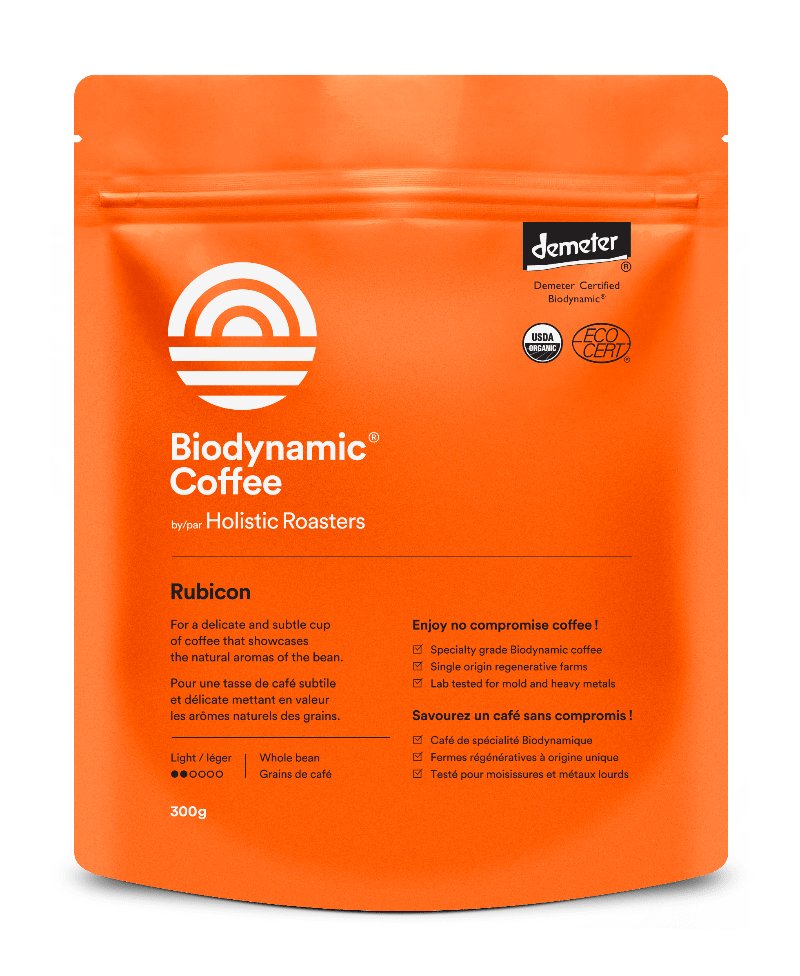
At Biodynamic Coffee, we take pride in the quality and purity of our coffee. Our beans are grown on family-owned farms where sustainable and organic farming practices are prioritized, and each batch is lab-tested for mold and other toxins. Clean, well-grown coffee is the easiest version of this drink to take black — no off-flavors to mask with sugar or cream.
Shop Biodynamic Coffee
Gregory co-founded Holistic Roasters with a passion for sustainable coffee and a belief in the transformative power of regenerative agriculture. His journey in the coffee industry has been driven by a commitment to ethical sourcing, ecological farming practices, and creating exceptional coffee experiences that support both human and environmental wellbeing.
Frequently Asked Questions
It can help modestly, but not on its own. Caffeine raises resting metabolic rate by about 3–11% for a few hours and can increase fat burning during exercise.13 The bigger practical benefit is that black coffee has almost no calories, so replacing sugary drinks with it supports a calorie deficit. Weight loss still depends on overall diet and activity.
There's no special "fat-loss dose." Most healthy adults can safely have up to about 400 mg of caffeine per day — roughly 4–5 cups — per FDA guidance.9 One to three cups, taken black and not too late in the day, is a reasonable range. More coffee does not mean more weight loss.
Before. A meta-analysis found caffeine taken before aerobic exercise significantly increased fat oxidation during the session, especially in less-trained people.3 Drinking a cup about 30–60 minutes before training is the practical window.
For most people it's fine, and fasted pre-exercise coffee may slightly enhance fat oxidation.3 If you experience acid reflux, jitteriness, or stomach discomfort, have it with or after food instead. There's no strong evidence that empty-stomach coffee meaningfully accelerates weight loss. If you fast, see our full guide: does black coffee break a fast?
Largely, yes — for weight loss. The near-zero calorie count is black coffee's biggest advantage. Sugar, syrups, and whole milk can add 100–230+ calories per drink, which easily outweighs caffeine's small metabolic effect. A splash of low-calorie milk is minor; sweetened, creamy drinks defeat the purpose.
People who are pregnant or breastfeeding, highly caffeine-sensitive, or managing anxiety, insomnia, acid reflux, or certain heart conditions should limit or avoid caffeine and speak with a healthcare provider. The BMJ umbrella review specifically flagged caution during pregnancy.8
References
Research summaries below were retrieved from PubMed. Citations to specific studies are linked by their DOI.
- Dulloo AG, Geissler CA, Horton T, Collins A, Miller DS. Normal caffeine consumption: influence on thermogenesis and daily energy expenditure in lean and postobese human volunteers. Am J Clin Nutr. 1989;49(1):44–50. doi:10.1093/ajcn/49.1.44
- Southward K, Rutherfurd-Markwick KJ, Ali A. The effect of acute caffeine ingestion on endurance performance: a systematic review and meta-analysis. Sports Med. 2018;48(8):1913–1928. doi:10.1007/s40279-018-0939-8
- Collado-Mateo D, Lavín-Pérez AM, Merellano-Navarro E, Del Coso J. Effect of acute caffeine intake on the fat oxidation rate during exercise: a systematic review and meta-analysis. Nutrients. 2020;12(12):3603. doi:10.3390/nu12123603
- Koot P, Deurenberg P. Comparison of changes in energy expenditure and body temperatures after caffeine consumption. Ann Nutr Metab. 1995;39(3):135–142. doi:10.1159/000177854
- Hursel R, Westerterp-Plantenga MS. Thermogenic ingredients and body weight regulation. Int J Obes (Lond). 2010;34(4):659–669. doi:10.1038/ijo.2009.299
- Bracco D, Ferrarra JM, Arnaud MJ, Jéquier E, Schutz Y. Effects of caffeine on energy metabolism, heart rate, and methylxanthine metabolism in lean and obese women. Am J Physiol. 1995;269(4 Pt 1):E671–E678. doi:10.1152/ajpendo.1995.269.4.E671
- Jo E, Lewis KL, Higuera D, et al. Dietary caffeine and polyphenol supplementation enhances overall metabolic rate and lipid oxidation at rest and after sprint interval exercise. J Strength Cond Res. 2016;30(7):1871–1879. doi:10.1519/JSC.0000000000001277
- Poole R, Kennedy OJ, Roderick P, Fallowfield JA, Hayes PC, Parkes J. Coffee consumption and health: umbrella review of meta-analyses of multiple health outcomes. BMJ. 2017;359:j5024. doi:10.1136/bmj.j5024
- U.S. Food & Drug Administration. Spilling the Beans: How Much Caffeine is Too Much? FDA Consumer Update. fda.gov
- Lovallo WR, Whitsett TL, al'Absi M, Sung BH, Vincent AS, Wilson MF. Caffeine stimulation of cortisol secretion across the waking hours in relation to caffeine intake levels. Psychosom Med. 2005;67(5):734–739. doi:10.1097/01.psy.0000181270.20036.06
Disclaimer: This article is for general educational purposes and is not medical advice. Consult a qualified healthcare professional before changing your diet or caffeine intake, particularly if you are pregnant, nursing, or managing a health condition.